
 2026 Outstanding Real Estate Agency
 2026 Young Business Champion
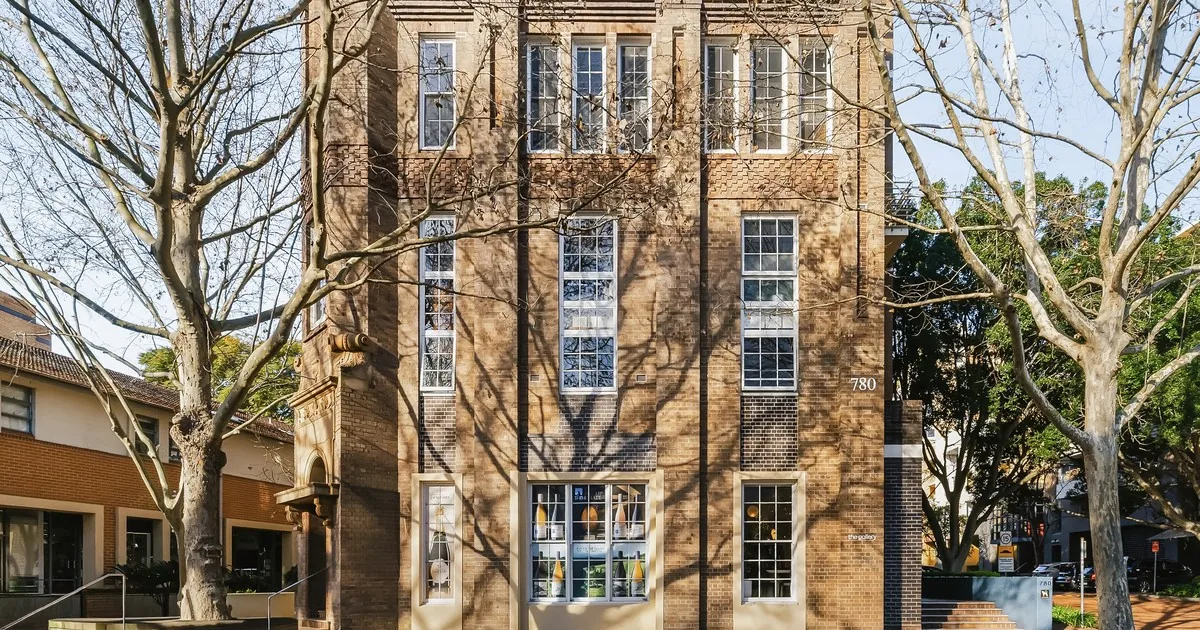
The Gallery Real Estate is a boutique agency in Redfern, Sydney. It does residential property management and leasing and nothing else. That was a deliberate choice by its principal, Thomas Tamine, who began his career in sales and restructured the agency so that no sales campaign would ever compete with an owner’s investment for attention.
The agency manages more than $500 million in residential assets, with a Google rating of 4.9 and rent arrears held under one per cent. In 2026 it was named Most Outstanding Real Estate Agency at the Local Business Awards. Thomas was named Young Business Champion Entrepreneur of the Year at the Australian Champion Business Awards. The agency was awarded Gold for identity and branding at the Sydney Design Awards.
Thomas is not a developer. He has never written code and still cannot.
The problem
A property manager’s week. Arrears every morning. Maintenance three ways between tenant, owner and trade. A routine inspection round every fortnight with notices out, replies in and reports back. Renewals and rent reviews on a rolling horizon. Owner questions that all need the same six facts looked up.
Almost every one of those tasks is the same letter with different names in it.
The tenancy, the dates, the amount, the address. The facts already lived in the property management platform. The person’s job had become finding them and typing them into a template. Most of the work was assembling. Only a small part was judgement. The assembling could be handed over. The judgement had to stay with a person.
The five lines written first
Before anything was built, five rules were written down. Everything since has been built underneath them.
- Trust accounting is not connected. Not read, not summarised, not ever. The licence is the business.
- Nothing sends itself. Drafting is the ceiling. A person reads and a person presses send.
- No notice is issued by a machine. Prescribed forms and statutory periods are a licensed person’s job.
- The assistant has its own login and its own audit trail. It has never held a person’s password.
- Legal obligation is flagged, never advised. The system says what it knows, says what it is unsure of and names who to ask.
These were not caution after the fact. They were the first things written down.
What was built, in the order it was built
The business, written down. Before any tool, a plain description of how the agency works, how it writes, what it has decided and what it never does. This is still the most important file in the system.
The team hub. One internal site holding procedures, notices, trades, forms, references, a letter generator and the day’s numbers. A procedure is a page anyone can read. The assistant reads the same page, so telling the team how something is done and telling the assistant are the same act.
The connections. The property management platform first, read-only, through its API, with the assistant’s own identity. Then the inbox, the calendar and the file library. Each one tested the day it was made by reading a real record back on screen.
The first job. Arrears correspondence. The assistant reads the position, drafts the message at the right stage of the sequence in the agency’s voice, then stops. Fifteen minutes each, many times a day, became reading and pressing send. It was the boring choice on purpose.
The assistant inside the platform. Sitting in the window the team already works in. It drafts the arrears message, the routine inspection round, a reply to a tenant’s notice. Then it stops and waits for a person.
Documents that fill themselves in. Every standard letter fills from the system of record. The agency’s own documents are sent for signature and tracked in-house. Tenancy agreements and bonds stay in the platforms the law expects.
The morning brief. Each team member’s own email before the office opens. What moved in arrears, what is on today, renewals in the window, anything stuck. Nobody asks for it. It replaced twenty minutes of every person opening five tabs.
New business. A prospective owner’s name and address becomes a branded management proposal with the suburb’s rent and vacancy data already in it. Every email is read before it goes.
The owner’s 3D walkthrough. The 360 photos from a routine inspection become a walkthrough tour and a drafted owner email with the rooms linked. The owner looks around instead of reading a report. It is the one people remember. The arrears draft is the one that pays.
Dozens of written recipes now cover the repeatable work: inspections, renewals, application summaries, filing, the marketing calendar, social posts, website edits, inbox triage.
The four ideas underneath it
There is no fifth ingredient.
- It knows the business. The operating manual, the voice, the procedures, the decisions. Written once, read every time.
- It can reach the tools. The platform, the inbox, the calendar, the files. Reading first, always.
- It knows the jobs. Every task done more than twice became a written recipe.
- It runs on a clock. Mornings, Fridays and whenever something happens.
What else changed
Three awards landed in the same year. They are not the same award. The first was for how the agency runs. The second was personal, for the person running it. The third was for something else.

Gold for identity and branding at the 2026 Sydney Design Awards: how clearly the business says what it is, to more people, in a way that reads as more human rather than more corporate. A brand refresh most agencies treat as a logo update became the reason a stranger can look at the agency for ten seconds and understand it.
The award nobody hands out is the one the team feels.
Freeing up the assembling work did not just buy owners and tenants faster replies. It changed what the job is like to do day to day. People who came in to manage property, not to retype the same letter with a different name in it, got more of the job they signed up for. Satisfaction inside the team has moved, noticeably. In a small team, retention is not a metric on a slide, it is whether the person who knows the portfolio is still there next quarter. A better workplace was not the goal. It turned out to be one of the returns.
What it took
Years, not weeks. Real money. A level of immersion most principals will not choose and do not need to. About a fortnight of being slower before being faster, every time something new was added. A willingness to write things down.
The first thing built was small, boring and still runs. That is the part available to any business this month.
What we will not say
That the agency’s results are caused by AI. They are the performance of an agency that runs on this system, with a team that reads every draft. The system takes the assembling. The people kept the judgement and got their time back for it.
What next
The Gallery AI exists because people who saw this asked how to get their own. The answer is the same order every time: write the business down, connect the system of record read-only, build the boring job first, put one thing on a clock. Then the showpiece.
Published figures are from the agency’s leasing platform for 1 July 2025 to 30 June 2026 and from its own website. No tenant, owner or property records appear here.